
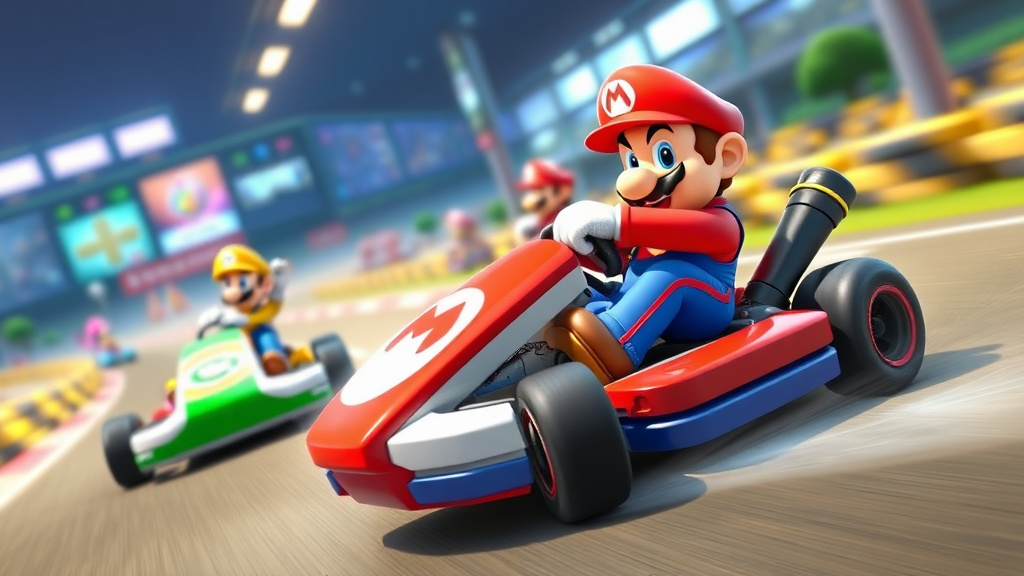
The esports landscape is gaining momentum as the Mario Kart Tournament Series launches an extensive new esports league dedicated exclusively to competitive racing. This pioneering initiative seeks to elevate Mario Kart from recreational gaming staple to serious competitive platform, featuring top-tier racers, substantial prize pools, and organized competitive seasons. Discover how this transformative competition aims to transform professional racing and what it means for emerging competitors worldwide.
Organizational Structure and Framework
The newly announced Mario Kart esports circuit uses a tiered system created to support players of different abilities while maintaining competitive integrity. Teams will compete across various tiers, from entry-level competitions to elite professional tiers, ensuring broad accessibility. The league implements a seasonal format with regular matches throughout the year, culminating in final tournaments. This organized system allows players to advance through divisions based on performance metrics and competitive achievements, establishing defined routes for advancement and professional recognition within the esports ecosystem.
Tournament competition follows standardized racing formats featuring 150cc Grand Prix races across all 48 playable courses from the Mario Kart franchise. Each competition consists of four-race cups with points allocated based on finishing positions, mirroring traditional motorsport scoring systems. Teams consist of four competing drivers with reserve players, promoting tactical team management and strategic complexity. The format prioritizes sustained performance and player growth rather than single-race upsets, ensuring fair competition throughout the season and recognizing sustained excellence among participants.
Seasonal events span six months with regular matchups conducted through online platforms and regular face-to-face matches. Teams earn points through regular season play, with high-ranking rosters earning playoff berths. The league deploys advanced anti-cheating measures including live monitoring technology and after-match video review to maintain level playing field. Prize pools escalate based on league tier, with top-level divisions offering substantial monetary rewards alongside brand partnership possibilities and public visibility for winning teams and top performers.
Regional qualifiers offer entry pathways for emerging talent pursuing professional league participation. Amateur divisions serve as developmental leagues where aspiring racers sharpen competitive skills under professional supervision. The league structure supports grassroots growth through academy initiatives and coaching programs, building sustainable talent pipelines. Promotion and relegation systems maintain competitive balance, enabling competitive squads to advance while maintaining responsibility for underperforming squads throughout consecutive seasons.
Media partnerships provide direct streaming of all matches through major esports streaming platforms, maintaining global audience accessibility. Commentary teams deliver detailed commentary showcasing competitive gaming analysis and player perspectives. High-definition production standards showcase intense match action while emphasizing individual player mechanics and group coordination. Media coverage extends beyond matches to encompass exclusive behind-the-scenes footage, athlete conversations, and in-depth documentary segments examining competitors’ journeys and competitive circuit evolution.
The competitive management structure includes neutral officials and regulatory supervision ensuring regulatory standards and disagreement handling. Official rule guides address vehicle customization parameters, playing field boundaries, and valid play mechanics. Regular updates maintain level competition while eliminating exploitative strategies. Player conduct standards emphasize sportsmanship and professional behavior, with disciplinary measures for violations ranging from fines to suspension, maintaining league integrity and fostering respectful competitive environment standards.
Teams and Player Registration
The Mario Kart Tournament Series is currently accepting team registrations for the opening competitive season. Teams can include three to five players, with each roster requiring at least one designated captain responsible for administrative duties and tournament scheduling. Registration starts now through the official tournament website, where teams must submit comprehensive player information, team brand materials, and participation agreements to secure their spot in this groundbreaking esports event.
Eligibility Requirements
All competing players must be at least eighteen years old and comply with the league’s comprehensive code of conduct and cheating prevention measures. Players are obligated to keep accounts active on approved gaming platforms and exhibit ongoing participation history covering a minimum of six months ahead of enrollment. Identity verification checks ensure fair competition and preserve the standards of the racing competition for all competitors.
Teams must also satisfy defined operational criteria created by the Mario Kart Tournament Series governing body. Each organization must submit proof of proper business licensing or official club status within their respective regions. Additionally, teams are tasked with acquiring proper licensing agreements and maintaining compliance with all jurisdictional gaming requirements and global esports guidelines throughout the tournament season.
- Players must pass comprehensive background verification checks
- Teams need legitimate business registration or formal club designation
- All participants must execute binding competitive agreements
- Active gaming platform accounts lasting at least six months
- Adherence to applicable gaming laws and requirements required
The sign-up process encompasses mandatory educational workshops addressing league rules, tournament formats, and expected professional conduct standards. Teams obtain specialized materials featuring strategy guides, technical assistance, and mentoring partnerships with experienced esports competitors. Early-signing teams obtain priority scheduling preferences and possible sponsorship matching programs designed to support emerging competitive organizations in the Mario Kart esports ecosystem.
Prize Distribution and Event Calendar
Large Prize Distribution
The Mario Kart Tournament Series has pledged an substantial total prize fund totaling over $2 million across its inaugural season. This significant monetary commitment reflects the league’s resolve to attracting top-tier competitors and cementing Mario Kart as a legitimate esports discipline. Prize payout structure will be tiered throughout the season, with monthly competitions offering $50,000 to $100,000 prize money, while the grand championship tournament concludes with a $500,000 championship prize fund for highest-ranking teams and individual racers.
Beyond the main prize pools, the league will introduce a comprehensive ranking system that rewards consistent performance throughout the season. Players collecting points across multiple tournaments will become eligible for seasonal bonuses and playoff opportunities. This structure encourages ongoing engagement and ensures that championship titles hold both prestige and considerable earnings, making professional Mario Kart racing an increasingly viable career path for serious professionals.
Season Structure Competition
The first season begins in January 2024 with a carefully designed calendar spanning twelve months of competitive racing. Qualifying tournaments held monthly will be conducted across three distinct regions—North America, Europe, and Asia-Pacific—allowing players globally to participate for competitive points and direct playoff advancement. Each regional event features multiple brackets supporting varying skill levels, ensuring accessibility while maintaining competitive standards and professional standards throughout the league.
The season reaches its peak in a global championship tournament scheduled for December 2024, where the elite players and teams will converge for the championship event. Qualifying rounds begin in March, with area semifinals in September and the global championship finals in November. This extended schedule provides athletes enough time to prepare while maintaining consistent engagement with fans and sponsors all year long.
Competition Format and Involvement
Tournaments will showcase both individual and team-based racing formats, with matches organized across multiple Mario Kart tracks and difficulty settings. Each event includes qualification stages, knockout rounds, and finals stages, with matches streamed live on major esports platforms. The league prioritizes competitive integrity through cheating prevention measures, uniform controller setups, and independent referees overseeing all official matches to guarantee fair competition.
Sign-ups for the inaugural season launched in November of 2023, with participation open to players aged sixteen and older. Professional franchises, solo racers, and sponsored competitors can all sign up via the official Mario Kart Tournament Series website. The league anticipates attracting thousands of participants globally, with projected viewership exceeding fifty million on streaming services during peak tournament periods and championship finals.
