
Capcom has revealed new gameplay footage and details for several eagerly expected upcoming releases during the Capcom Spotlight 2026 presentation taking place on March 5, 2026. The event featured extended looks at the science fiction adventure Pragmata, the character-driven Monster Hunter Stories 3: Twisted Reflection, and additional major releases from the renowned Japanese developer. The presentation provided gamers with their most comprehensive glimpse yet at these eagerly anticipated projects, presenting new trailers, in-game footage, and developer perspectives into what players can expect when these titles launch. The event marks a major milestone for fans of Capcom wanting to discover more about the studio’s diverse portfolio of upcoming games covering different genres and platforms.
The game Pragmata Steps Into the Spotlight with New Gameplay Unveiling
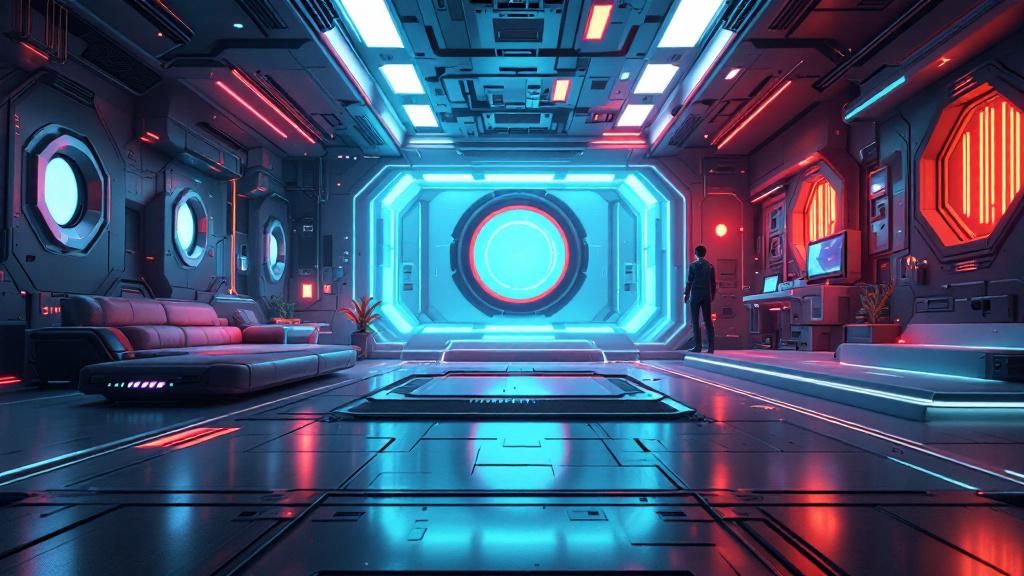
Capcom’s sci-fi adventure Pragmata emerged as one of the standout presentations during the Capcom Spotlight 2026 event, with developers showcasing lengthy gameplay footage that highlighted the game’s rare mix of puzzle-solving and exploration gameplay. The new footage revealed the protagonist’s journey through impressive visual settings brimming with interactive elements and environmental narrative that drive the narrative progression. Players received their initial comprehensive view at how the game’s central mechanics work in practice, illustrating the developer’s resolve in crafting an immersive and engaging experience that expands the limits of the adventure genre.
The gameplay showcase underscored Pragmata’s cinematic style and the importance of player control in solving the game’s mysteries. Developers outlined how the title’s story develops through player exploration and interaction with the world, rather than depending on exposition. The showcase demonstrated responsive controls and dynamic gameplay mechanics crafted to create exploration and puzzle-solving feel intuitive and rewarding. This fresh look at Pragmata confirmed that the project continues to be one of Capcom’s boldest endeavors, merging cutting-edge visuals with powerful storytelling that aims to captivate audiences worldwide.
- Pragmata includes exploration-based gameplay with environmental puzzle-solving mechanics throughout.
- The game prioritizes cinematic visual style paired with meaningful player agency and choice.
- New footage highlighted fluid controls and responsive systems for movement and interaction.
- Developers highlighted story development via environmental interaction rather than exposition.
Monster Hunter Stories 3: Twisted Reflection Extends the Series
Monster Hunter Stories 3: Twisted Reflection showcased a notable evolution for Capcom’s cherished spin-off series, delivering players with an broader narrative experience that strengthens the connection between hunters and their monstrous companions. The gameplay demonstration displayed refined mechanics that build upon the franchise’s turn-based combat system while introducing fresh strategic elements. The presentation highlighted how the third installment aims to deliver a highly immersive story-driven adventure, combining the series’ signature beast-bonding system with more substantial character arcs and setting development that appeals to both longtime fans and newcomers to the Monster Hunter universe.
The demonstration highlighted Monster Hunter Stories 3’s dedication to combining action and narrative in meaningful ways, with developers outlining how player choices affect the developing story and character relationships. New visual improvements and expanded environments give increased potential for exploration and discovery throughout their adventure. The game’s design philosophy centers on creating an welcoming though sophisticated experience that retains the strategic depth Monster Hunter fans expect while attracting players who prefer story-focused gameplay. This balance positions the title as a standout entry within the broader Monster Hunter franchise family.
Narrative and World Advancements
The distorted mirror story framework presents a compelling new dimension to the Monster Hunter Stories world, examining themes of duality and perspective through the player’s journey. Developers revealed that the story examines the way various characters view the same occurrences in different ways, building story depth that reward careful attention to dialogue and environmental details. This innovative storytelling approach converts the classic monster-hunting experience into a puzzle that develops over time, prompting players to question assumptions and piece together the truth from multiple viewpoints across their journey.
Monster Hunter Stories 3 introduces brand new regions and ecosystems that extend the franchise’s world map significantly. These new areas showcase diverse monster populations and deliver specialized hunting experiences suited for each area’s unique traits. The world-building elements extend beyond basic graphical differences, with each region including its own unique culture, inhabitant groups, and narrative threads that blend smoothly into the larger narrative. This enhancement creates a richer world that feels alive and unified, providing players compelling motivations to discover every location of the game’s expansive map.
- Fresh regions showcase varied habitats with different beast species and combat encounters.
- Narrative perspective mechanics expose narrative depth through different character angles and understandings.
- Cultural elements and character settlements create interconnected world-building across every region.
Street Fighter and Iconic Gaming Series Get Modern Treatment
Capcom’s legendary fighting game franchise Street Fighter remains in evolution with new combat features and polished fighting mechanics showcased during the Capcom Spotlight 2026 presentation. The developer unveiled improved character balancing, better input response, and fresh animation sequences for special moves that update the traditional gameplay while maintaining the series’ competitive tradition. These refinements are designed to appeal to both seasoned fighting game enthusiasts and new players looking for easier access into one of gaming’s most prestigious competitive communities. The presentation emphasized how Capcom stays focused on keeping Street Fighter competitive in the modern esports scene.
Beyond Street Fighter, Capcom’s extensive range of classic franchises received significant attention, with developers presenting contemporary interpretations to beloved series that shaped the gaming landscape. The company illustrated how established gameplay systems can be elevated by modern visuals, quality-of-life improvements, and additional material without undermining the fundamental gameplay that made these franchises legendary. Each title presented careful refinement rather than fundamental redesign, retaining the identity that connects with longtime fans while providing strong incentives for new audiences to experience these classic games. This equilibrium method emphasizes Capcom’s dedication to responsible series development.
| Franchise | Updates |
|---|---|
| Street Fighter | Enhanced character balance, responsive controls, new special move animations |
| Pragmata | Expanded gameplay mechanics and visual enhancements for immersive experience |
| Monster Hunter Stories 3 | New regions, narrative perspective mechanics, cultural world-building elements |
| Classic Capcom Titles | Modern graphics, quality-of-life improvements, expanded content offerings |
The update approach reflects Capcom’s awareness that beloved franchises possess significant nostalgic value while requiring modern refinement to stand out in current gaming industry. By thoughtfully enhancing graphics and aesthetics, gameplay controls, and general ease of use without discarding what made these games special, Capcom guarantees their storied franchises continue to resonate for different generations of audiences. This careful strategy to series development illustrates the organization’s pledge to honoring its rich legacy while decisively progressing into new creative territories.
What Capcom Spotlight 2026 Represents for Gaming
Capcom Spotlight 2026 constitutes a pivotal moment for the gaming industry, illustrating how established publishers can blend innovation with tradition. The showcase highlighted that the future of gaming doesn’t require abandoning fan-favorite properties in favor of wholly different games. Instead, Capcom’s approach prioritizes deliberate progression—taking proven gameplay mechanics, enriching them with current innovations, and broadening their reach to attract both veterans and newcomers. This philosophy counters the prevailing pattern of constant reinvention and proposes that valuing gaming legacy while adopting modern benchmarks creates the most compelling experiences for diverse audiences.
The relevance extends beyond Capcom’s portfolio, setting a template for how major publishers should handle their catalogs. By presenting multiple franchises at varying stages of development and modernization, Capcom showed that there’s space in today’s market for everything from story-focused experiences like Pragmata to strategic role-playing experiences like Monster Hunter Stories 3. The event highlights an key takeaway: players crave variety, and publishers who can provide quality across multiple genres and gameplay styles will thrive. Capcom’s deliberate showcase suggests faith in their diverse lineup and a clear vision for maintaining relevance across multiple gaming generations.
- Established franchises can flourish with strategic updates and modern aesthetic improvements
- Blending nostalgia with new approaches creates appeal for existing and emerging players
- Diverse game portfolios allow publishers to capture various market segments effectively
- Quality-of-life improvements prove vital for classic franchises functioning in today’s gaming landscape
- Publisher backing of established brands demonstrates broader industry shift toward careful preservation
